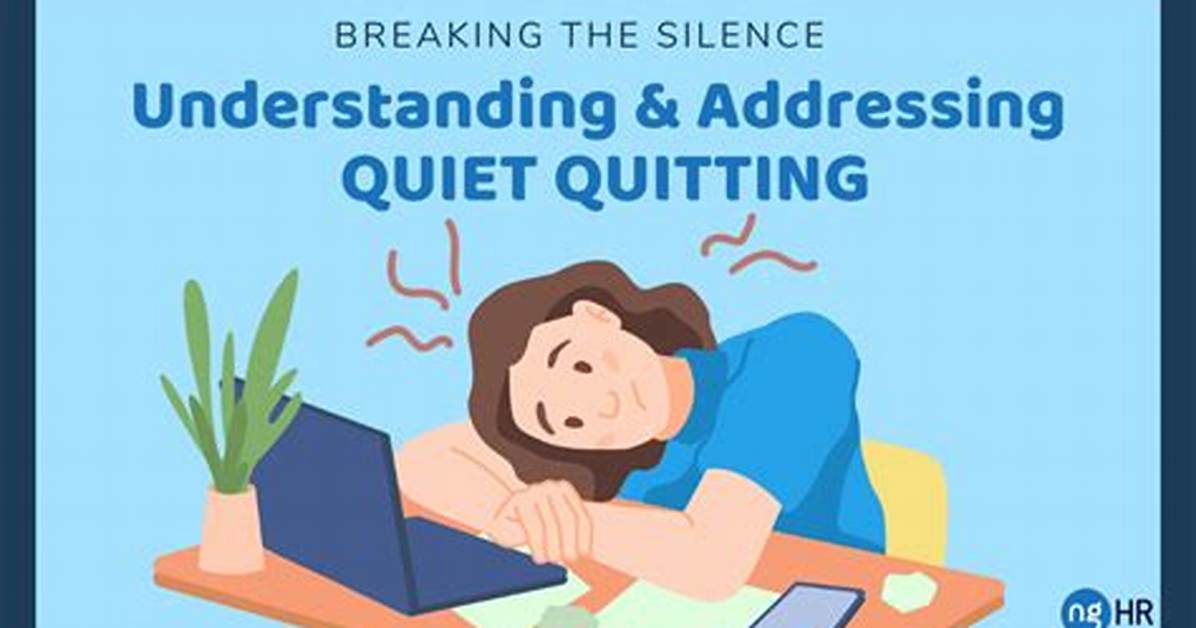
Breaking the quiet surrounding mental health issues has become an urgent call to action in today’s society. As we navigate through the complexities of modern life, the importance of addressing mental health cannot be overstated. This article explores the various dimensions of mental health, the stigma associated with it, and the steps we can take to foster a more inclusive and understanding environment.
In recent years, mental health awareness has gained traction, yet many individuals still suffer in silence. The phrase "breaking the quiet" signifies the need to open up conversations that have long been considered taboo. By acknowledging mental health struggles, we empower individuals to seek help, support one another, and ultimately contribute to a healthier society.
Throughout this article, we will delve into the significance of mental health, examine common misconceptions, and provide practical strategies for individuals and communities alike. Through education and awareness, we can dismantle the barriers that prevent open dialogue, paving the way for a future where mental health is prioritized and respected.
What is Mental Health?
Mental health encompasses our emotional, psychological, and social well-being. It affects how we think, feel, and act, influencing how we handle stress, relate to others, and make choices. Understanding mental health is crucial as it plays a significant role in overall health.
Key components of mental health include:
- Emotional well-being: The ability to manage emotions and cope with life's challenges.
- Psychological well-being: How we think, perceive reality, and make decisions.
- Social well-being: The quality of our relationships and social interactions.
Common Mental Health Issues
Several mental health disorders are prevalent in society today. Understanding these conditions is essential for fostering empathy and support.
Depression
Depression is a mood disorder characterized by persistent sadness and a lack of interest in activities. It can significantly impair daily functioning.
Anxiety Disorders
Anxiety disorders involve excessive fear or worry. These can manifest as generalized anxiety disorder, panic disorder, or social anxiety disorder.
Bipolar Disorder
Bipolar disorder is marked by extreme mood swings, including emotional highs (mania) and lows (depression).
Post-Traumatic Stress Disorder (PTSD)
PTSD can occur after experiencing or witnessing traumatic events. Symptoms may include flashbacks, nightmares, and severe anxiety.

