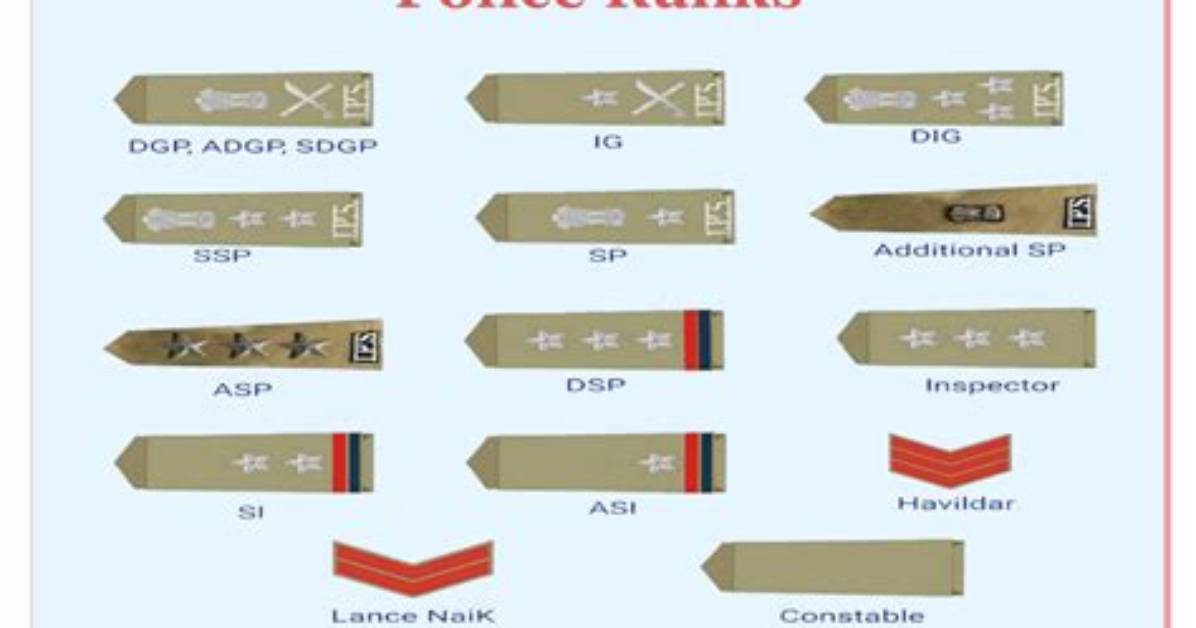
Understanding the hierarchy within law enforcement is crucial for both aspiring officers and the general public. In this article, we will explore the comprehensive list of police ranks and symbols used around the world. Police ranks not only signify authority but also define the responsibilities and duties assigned to each officer. Additionally, symbols associated with these ranks can provide visual representation of an officer's position.
This exploration will cover various police ranks, their corresponding symbols, and the differences that exist across different jurisdictions. We aim to provide clarity on how police organizations operate, ensuring that the information is not only informative but also accessible to everyone. Let's delve deeper into this important aspect of law enforcement.
By the end of this article, you will have a clear understanding of police ranks and symbols, allowing you to better appreciate the structure and function of police organizations. Whether you are a student of criminology, a community member, or simply curious about law enforcement, this guide will serve as a valuable resource.
Introduction to Police Ranks
Police ranks are crucial for maintaining order and command in law enforcement agencies. Each rank comes with specific responsibilities, roles, and authority levels. Understanding these ranks is essential for anyone looking to join the police force, as well as for citizens who wish to understand their local law enforcement better.
Understanding Rank Structure
The structure of police ranks can vary widely from one country to another and even from one department to another. However, there are common themes in how ranks are organized. Generally, the hierarchy follows a pyramid structure, with a few high-ranking officials at the top and a larger number of officers at the base. Here’s a typical structure:
- Chief of Police
- Deputy Chief
- Assistant Chief
- Captain
- Lieutenant
- Sergeant
- Officer

