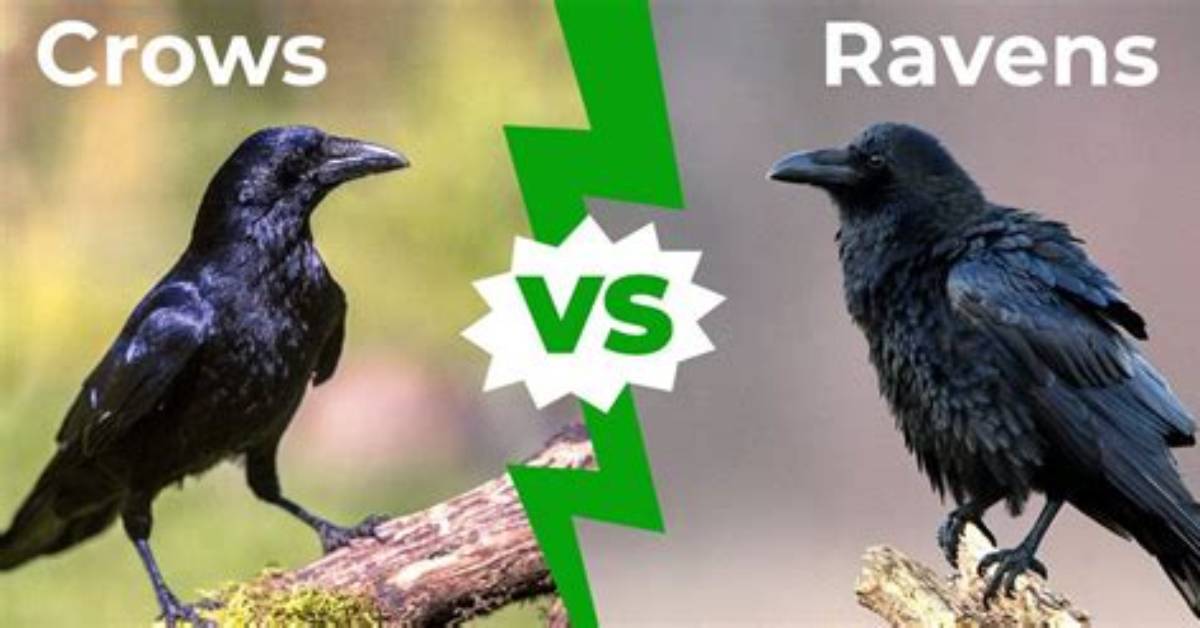
Crows and ravens are two of the most intelligent birds in the avian world, and their similarities often lead to confusion among birdwatchers and casual observers alike. As members of the Corvidae family, they share many traits, yet they are distinct species with unique characteristics. Understanding the differences between crows and ravens can enhance our appreciation for these fascinating creatures and help us identify them in the wild. In this article, we will explore the intriguing world of crows and ravens, examining their physical features, behaviors, habitats, and cultural significance. By the end, you will have a deeper understanding of these remarkable birds and be able to distinguish between them with ease.
Both crows and ravens are known for their striking black feathers and sharp, intelligent gaze. However, they exhibit a range of differences that set them apart. Crows tend to be more social and are often seen in larger groups, while ravens are more solitary or found in pairs. The way they communicate, their vocalizations, and even their flying patterns can reveal which bird you are observing. With a bit of knowledge, you’ll soon be able to tell a crow from a raven at a glance.
As we delve into the crows vs ravens debate, we will address some common questions and misconceptions surrounding these two species. What are the key differences between crows and ravens? How do their behaviors and habitats differ? What role do these birds play in various cultures around the world? Let’s take flight into the fascinating world of crows and ravens!
What Are the Key Differences Between Crows and Ravens?
When trying to differentiate between crows and ravens, there are several key characteristics to consider:
- Size: Ravens are generally larger than crows, with a wingspan that can reach up to 4 feet compared to the crow's wingspan of about 2.5 feet.
- Beak Shape: Ravens possess a thicker, more curved beak, while crows have a straighter, slimmer beak.
- Tail Shape: When in flight, crows have a fan-shaped tail, while ravens have a wedge-shaped tail that appears more pointed.
- Vocalizations: Crows produce a distinct "caw" sound, whereas ravens have a deeper, more resonant "croak" or "gronk."
How Do Their Habitats Differ?
Crows and ravens inhabit various environments, but their preferences can differ significantly:
- Crows: They are adaptable birds and can thrive in urban areas, farmlands, and forests. Their ability to forage for food in human-populated regions has made them quite successful.
- Ravens: These birds prefer more remote and rugged habitats, such as mountainous areas, forests, and deserts. They are often found in places with less human disturbance.
What Are Their Feeding Habits?
Both crows and ravens are omnivorous scavengers, but their feeding behaviors can vary:
- Crows: They are known to eat a wide variety of foods, including insects, fruits, grains, and even human scraps. Crows are also known to work together to find food.
- Ravens: While their diet is similar, ravens are more likely to hunt small animals or steal food from other birds. They are also known to cache food for later consumption.
What Roles Do Crows and Ravens Play in Culture?
Crows and ravens have captured the human imagination for centuries, appearing in folklore, literature, and art:
- Crows: Often associated with misfortune or death, crows are featured in stories and legends that highlight their intelligence and cunning nature.
- Ravens: Ravens hold a more complex place in mythology, often representing wisdom and prophecy. In some cultures, they are viewed as messengers between the living and the dead.
How Smart Are Crows and Ravens?
Both crows and ravens are renowned for their intelligence, which rivals that of some primates:
- Problem Solving: Studies have shown that crows and ravens can use tools, solve complex puzzles, and even plan for the future.
- Social Intelligence: They exhibit advanced social behaviors, recognizing individual humans and forming complex social bonds with other birds.
Can Crows and Ravens Be Trained?
Yes, both crows and ravens can be trained, but it requires patience and understanding of their behavior:
- Training Techniques: Positive reinforcement, such as food rewards, can be effective in teaching these birds various tricks and behaviors.
- Bonding: Establishing a trust bond is crucial, as these birds can be wary of humans. Building a relationship with them can lead to remarkable interactions.

