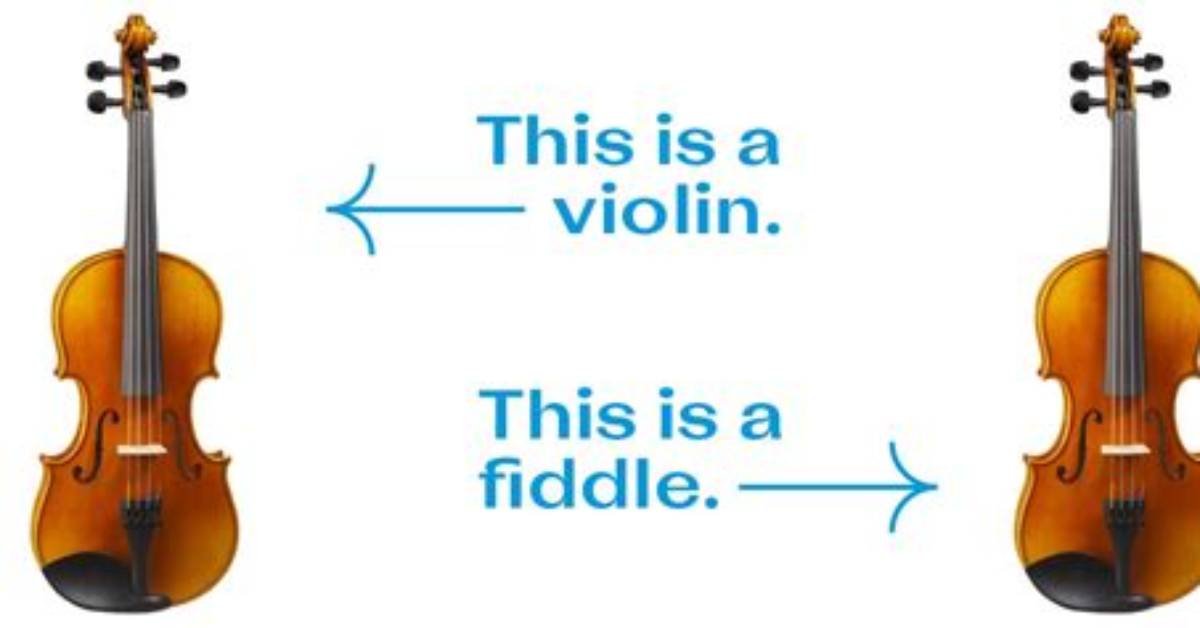
The violin and the fiddle are both beloved string instruments. Although they are essentially the same instrument, there are some distinct differences between the two. The terms are often used interchangeably, but each instrument has its own sound and style of playing. This article will discuss the key differences between violin and the fiddle.
Sound
The violin and the fiddle both produce beautiful, deep sounds. However, the pitch and tone of a fiddle is often lower than that of a violin. Fiddles typically have a more mellow sound than violins, and therefore fiddlers often use an open string tune or tuning. This open string tuning allows them to access the lower pitches more easily. Conversely, violins tend to have a brighter, crisper sound than fiddles.
Fiddles also tend to emphasize a single note more than a violin. The emphasis on a single note gives the fiddle a more melancholic and somber sound than the violin. Moreover, this emphasis on a single note allows the instrument to better project over other instruments in an ensemble.
Appearance
In terms of the physical appearance of the two instruments, there are some key distinctions. Fiddles often have a more rustic look than violins. For example, many fiddles feature an ornamented scroll, while violins often have a smooth and unadorned scroll. Additionally, fiddles tend to have more ornate body shapes, while violins generally have a more straightforward appearance.
Moreover, many fiddles are painted with a vibrant, almost whimsical style. The vibrant painting often features images of birds, flowers and other animals. On the other hand, violins tend to have a more muted finish than fiddles, with only the scroll often embellished.

