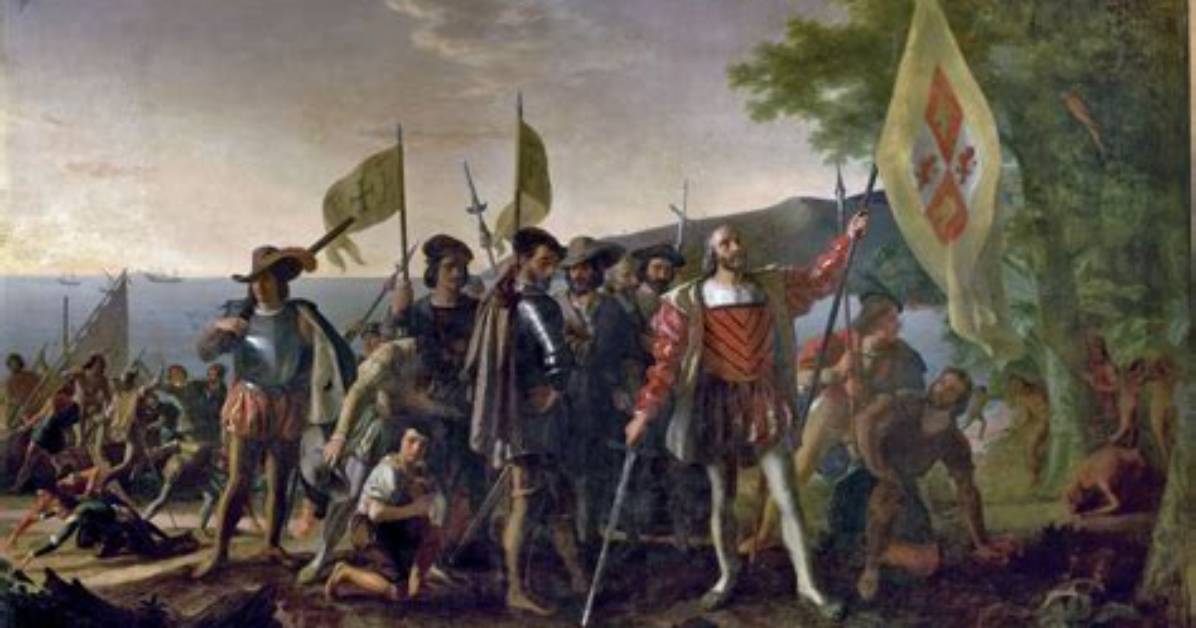
Christopher Columbus, a name synonymous with exploration and discovery, has been a subject of fascination and controversy for centuries. This article delves into the intriguing facts about Christopher Columbus, providing a comprehensive overview of his life, voyages, and the impact he had on the world. By understanding the complexities surrounding Columbus, we can better appreciate his role in history and the legacy he left behind.
In this article, we will explore Columbus's early life, his groundbreaking voyages across the Atlantic, and the historical significance of his discoveries. We will also discuss the controversies surrounding his expeditions and the consequences of his encounters with indigenous peoples. By the end, you will have a well-rounded understanding of who Christopher Columbus was and why he remains a pivotal figure in world history.
As we journey through the facts about Christopher Columbus, we will also highlight the various perspectives on his legacy. This exploration of Columbus will not only enhance your knowledge of history but also encourage critical thinking about the narratives we often accept. So, let’s set sail into the life and times of this remarkable explorer.
1. Early Life of Christopher Columbus
Christopher Columbus was born in Genoa, Italy, in 1451. He was the son of a wool weaver, and his early life was marked by a love for the sea and exploration. From a young age, Columbus was captivated by tales of distant lands and adventurous voyages.
At the age of 14, Columbus began his seafaring career, working on merchant ships. His travels took him across the Mediterranean and to the Aegean Sea, where he gained valuable experience in navigation and trade. These formative years laid the groundwork for his future expeditions.
Early Influences
Columbus was influenced by various figures and events during his youth, including:
- The works of Marco Polo, which ignited his imagination about Asia.
- The expansion of trade routes in Europe, leading to increased interest in exploration.
- The rise of the Portuguese in maritime exploration, which inspired Columbus to seek royal patronage for his own voyages.
2. The Voyages of Columbus
Columbus is best known for his four transatlantic voyages, which he undertook under the auspices of the Spanish monarchy. His first voyage in 1492 marked a significant turning point in world history.
First Voyage (1492-1493)
On August 3, 1492, Columbus set sail from Palos de la Frontera with three ships: the Niña, the Pinta, and the Santa María. After a challenging journey, he landed in the Bahamas on October 12, 1492, believing he had reached the outskirts of Asia.
Subsequent Voyages
Columbus made three more voyages between 1493 and 1504, exploring parts of the Caribbean, Central America, and South America. His expeditions included:
- Second Voyage (1493-1496): Established the first European settlement in the New World on Hispaniola.
- Third Voyage (1498-1500): Explored the coast of Venezuela and Trinidad.
- Fourth Voyage (1502-1504): Sought a passage to the Indian Ocean, exploring Central America.

