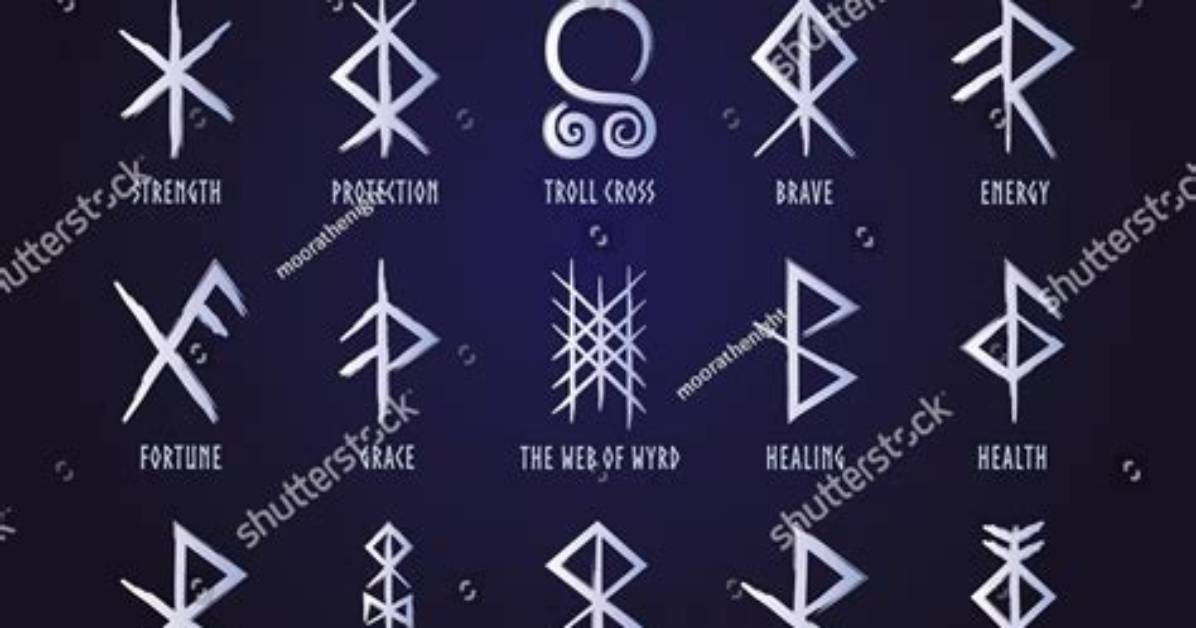
The Norse culture is rich with history, mythology, and symbolism that has captivated the fascination of many over the years. At the heart of this captivating culture lies a diverse range of symbols that convey deep meanings and represent various beliefs and ideals. From ancient runes used for communication to powerful symbols representing gods and nature, Norse symbols serve as a window into the minds and souls of a people who revered both the seen and unseen worlds. These symbols are not just ornamental; they carry significant weight and often play crucial roles in rituals, storytelling, and identity.
As we journey through the realm of Norse symbols and meanings, we uncover layers of significance that transcend time and geography. Each symbol has its own unique story, often intertwined with the myths and legends of Norse mythology, which adds depth to their meanings. By understanding these symbols, we can gain insight into the values and beliefs of the Viking Age and the enduring legacy they have left behind.
In this article, we will explore some of the most prominent Norse symbols, their meanings, and how they continue to resonate in modern culture. Whether you are a history enthusiast, a spiritual seeker, or simply curious about the fascinating world of Norse mythology, this exploration of Norse symbols and meanings promises to be enlightening and enriching.
What are the Most Recognizable Norse Symbols?
There are numerous symbols that hold significant meaning in Norse mythology and culture. Here are some of the most recognizable Norse symbols:
- Yggdrasil: The World Tree, connecting the nine realms.
- Mjölnir: Thor's hammer, representing protection and power.
- Valknut: The symbol associated with Odin, representing the transition between life and death.
- Wolfcross: A symbol of protection, often used in Viking culture.
- Runes: An ancient alphabet with deep spiritual meanings.
What is the Significance of Yggdrasil?
Yggdrasil, often referred to as the World Tree, is one of the most important symbols in Norse mythology. This immense tree connects the nine realms of the Norse cosmos, serving as a bridge between the earthly and divine. Its roots delve deep into the underworld, while its branches stretch high into the heavens, symbolizing the interconnectedness of all life.
What Are the Nine Realms Connected by Yggdrasil?
The nine realms represented by Yggdrasil are:
- Asgard: The realm of the Aesir gods.
- Midgard: The world of humans.
- Vanaheim: The realm of the Vanir gods.
- Alfheim: The realm of the light elves.
- Svartalfheim: The realm of the dark elves or dwarves.
- Jotunheim: The land of giants.
- Niflheim: The realm of ice and mist.
- Muspelheim: The realm of fire.
- Helheim: The land of the dead.

