Hypochondroplasia is a rare genetic condition that affects bone growth, leading to a form of dwarfism. For parents of a hypochondroplasia baby, navigating this condition can be overwhelming yet essential for ensuring a healthy and fulfilling life for their child. This article delves into the intricacies of hypochondroplasia, shedding light on its characteristics, diagnosis, management, and emotional aspects.
When a baby is diagnosed with hypochondroplasia, it often raises numerous questions for parents. Understanding this condition, its implications, and how to support the child's growth and development is crucial. Hypochondroplasia is closely related to achondroplasia, another form of dwarfism, but with distinct features that warrant further exploration.
As we embark on this journey of understanding hypochondroplasia, we will address common concerns and questions that parents may face. From its genetic origins to the challenges and joys of raising a child with this condition, our goal is to provide a comprehensive overview that empowers parents and families.
What is Hypochondroplasia?
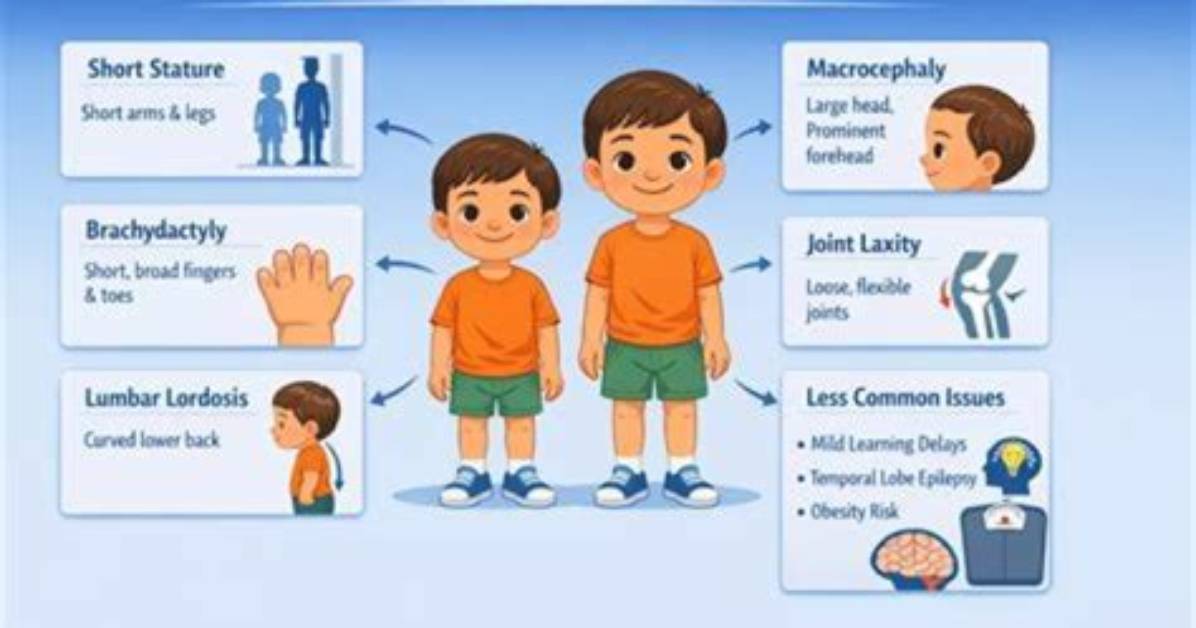
Hypochondroplasia is a genetic disorder characterized by a specific pattern of bone growth that results in shorter stature and disproportionate body proportions. It is caused by mutations in the FGFR3 gene, which plays a crucial role in regulating bone development. Babies with hypochondroplasia typically present with the following features:
- Short stature
- Short limbs relative to the trunk
- Broad forehead
- Curved spine (scoliosis) in some cases
How is Hypochondroplasia Diagnosed?
The diagnosis of hypochondroplasia usually occurs during infancy or early childhood. Pediatricians and geneticists assess the child's growth patterns, physical features, and family history. Diagnostic methods may include:
- Physical examination
- Growth charts to monitor height and weight
- Genetic testing to confirm mutations in the FGFR3 gene
What are the Implications of Hypochondroplasia for Babies?
While hypochondroplasia is a non-life-threatening condition, it can have implications for the child's development and overall health. Some potential challenges include:
- Delayed milestones in crawling and walking
- Increased risk of orthopedic issues
- Potential social and emotional challenges related to stature
How Can Parents Support a Hypochondroplasia Baby?
Supporting a hypochondroplasia baby involves a combination of medical care, emotional support, and practical strategies for everyday living. Here are some ways parents can help their child thrive:
- Regular check-ups with pediatricians and specialists
- Encouraging physical activity tailored to the child's abilities
- Connecting with support groups for families with children affected by dwarfism
What Therapies are Available for Hypochondroplasia Babies?
Various therapies can help manage the challenges associated with hypochondroplasia. These may include:
- Physical therapy to improve motor skills
- Occupational therapy to enhance daily living skills
- Speech therapy if there are developmental delays in communication
What Emotional Support is Needed for Families?
Families of hypochondroplasia babies may experience a range of emotions, from anxiety to joy. It is vital for parents to seek emotional support through:
- Therapy or counseling for parents
- Support groups for sharing experiences and advice
- Open communication within the family about feelings and concerns

