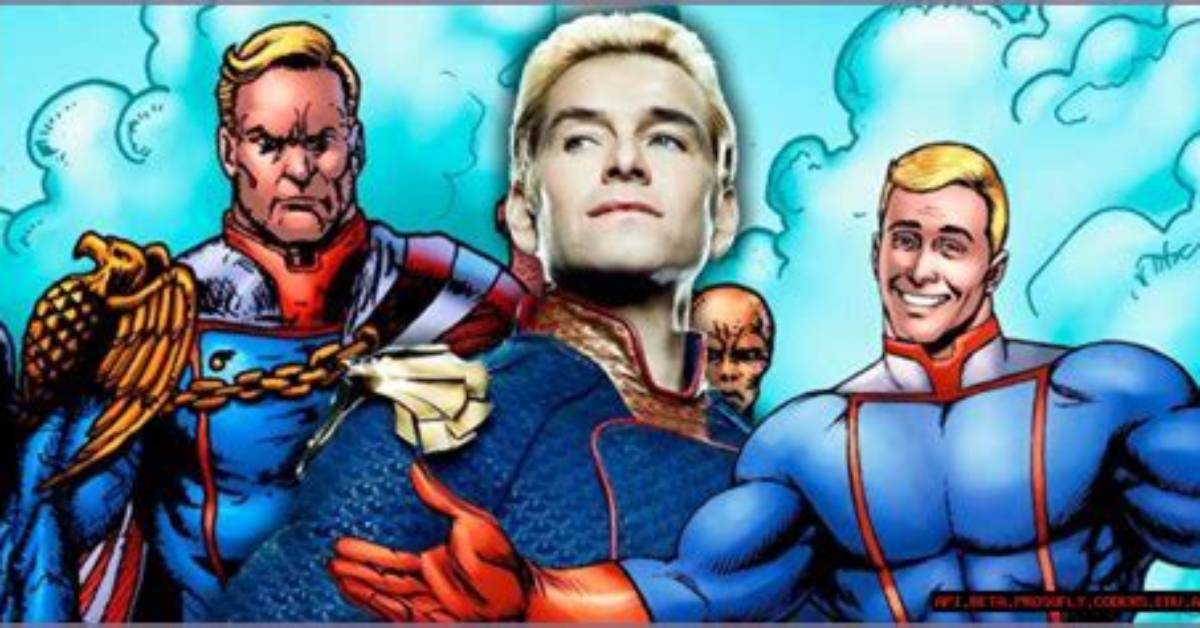
In the realm of comic book adaptations, few characters have captured the public's imagination quite like Homelander from "The Boys." This complex character, portrayed as a superhuman with god-like powers, raises intriguing questions about the nature of aging and the implications it has on his identity. As fans explore the series, one question that frequently arises is: why does Homelander age? This inquiry delves into the character's biology, the narrative's structure, and the thematic elements that underscore his character arc.
As we dissect Homelander's aging process, it becomes evident that his character is not just a straightforward superhero; he embodies deeper themes of power, vulnerability, and the human condition. The juxtaposition of his superhuman abilities against the inevitability of aging creates a compelling dynamic that resonates with audiences. This article aims to unravel the complexities surrounding Homelander's aging, providing insights into how it reflects broader narratives within the superhero genre.
Furthermore, understanding why Homelander ages opens a window into exploring the psychological implications of eternal youth versus the acceptance of mortality. As we navigate through the questions and themes presented in the series, we will uncover the layers that define Homelander not just as a character, but as a symbol of the struggle between power and vulnerability.
What is the Background of Homelander?
Homelander is a fictional character from the comic book series "The Boys," created by writer Garth Ennis and artist Darick Robertson. The series delves into a world where superheroes are not the paragons of virtue they are often portrayed to be, but rather complex individuals with their own flaws and moral dilemmas. Homelander serves as the primary antagonist throughout the series, embodying the dark side of superhero culture.
Homelander's Biography
| Attribute | Details |
|---|---|
| Name | Homelander |
| Origin | Created by Vought International |
| Powers | Super strength, flight, laser vision, enhanced durability |
| Personality | Arrogant, manipulative, deeply insecure |
| Portrayed by | Antony Starr |
Why Does Homelander Age in the Series?
One of the most intriguing aspects of Homelander's character is his aging process. Despite his superhuman abilities, he does age, much like any regular human. This raises the question: why does Homelander age? The answer lies within the narrative choices made by the creators of "The Boys." Homelander's aging serves to humanize him, making his character relatable while simultaneously highlighting the paradox of his immense power.
Is Homelander's Aging a Reflection of His Humanity?
The aging of Homelander can be interpreted as a narrative device that emphasizes his humanity amidst his superhuman attributes. While he possesses extraordinary powers, the fact that he ages signifies his vulnerability and connection to the human experience. This duality is essential to understanding his character and the themes of the series.
How Does Homelander's Aging Affect His Character Development?
As the series progresses, Homelander's aging is intricately tied to his character development. His struggles with aging and the fear of losing his power lead to increasingly erratic behavior, showcasing his insecurities. This dynamic not only enriches his character but also serves as a commentary on the societal pressures of youth and beauty.

