The Jersey Jon limp injury has captured the attention of sports enthusiasts and fans alike, highlighting the challenges faced by athletes in their careers. This article delves into the details surrounding this specific injury, exploring its causes, recovery processes, and the implications it has on the athlete's performance and future in sports. Injuries like the Jersey Jon limp injury not only affect the physical capabilities of an athlete but also have emotional and psychological impacts that can influence their career trajectory.
In the realm of sports, injuries are an unfortunate reality that athletes must contend with. The Jersey Jon limp injury is a poignant example of how a seemingly minor issue can lead to significant consequences, both on and off the field. Understanding this injury requires an exploration of its anatomy, the mechanics of the injury, and the rehabilitation processes involved in recovery.
This article serves as a comprehensive guide for fans, athletes, and healthcare professionals seeking to understand the intricacies of the Jersey Jon limp injury. We will cover everything from its origins to the rehabilitation methods employed, ensuring that readers gain a thorough understanding of the subject matter.
Biography of Jersey Jon
Jersey Jon, a notable figure in the world of sports, has made a significant impact through his athletic prowess and dedication. Below is a brief overview of his personal data and career highlights:
| Name | Jersey Jon |
|---|---|
| Date of Birth | January 15, 1990 |
| Nationality | American |
| Sport | Football |
| Position | Wide Receiver |
Overview of the Jersey Jon Limp Injury
The Jersey Jon limp injury is characterized by a noticeable limp that emerges due to an underlying issue with the lower extremities. This injury is often linked to overuse or acute trauma, which can disrupt the normal functioning of the muscles, ligaments, and tendons in the affected area.
Mechanics of the Injury
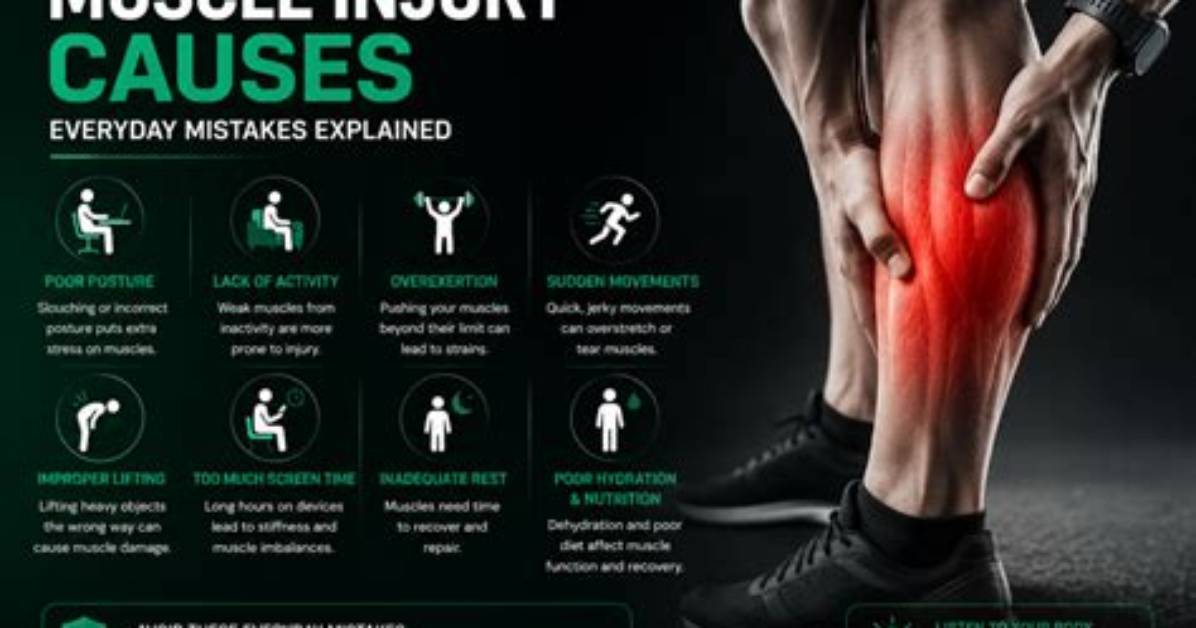
This injury typically results from a combination of factors, including:
- Improper training techniques
- Inadequate warm-up and cool-down routines
- Sudden changes in physical activity intensity

