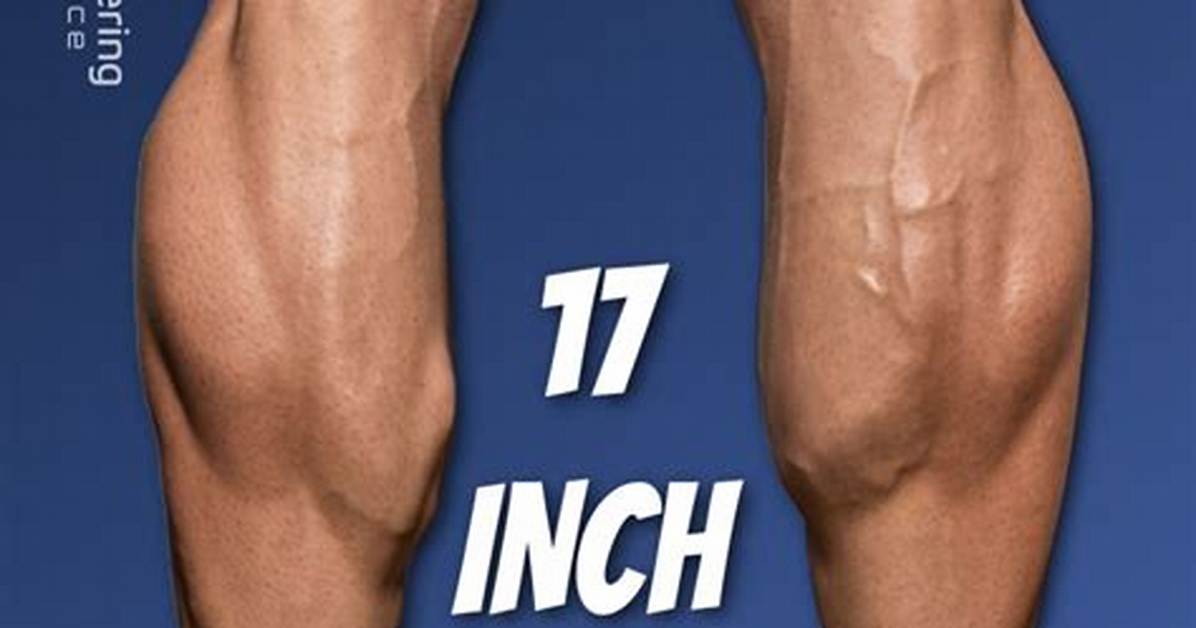
When it comes to fitness and bodybuilding, specific measurements often serve as benchmarks for progress and achievement. Among these, the size of one’s calves can be a point of pride, especially when measuring 16 inches. These muscular structures not only contribute to the overall aesthetic appeal of an athlete but also play a crucial role in their performance. The allure of well-defined calves stretches beyond mere numbers; they signify dedication, hard work, and a commitment to fitness that many aspire to achieve. In this article, we will explore the significance of 16 inch calves, their impact on physical performance, and how they can be developed through targeted exercises.
The pursuit of 16 inch calves is more than just a fitness goal; it embodies a lifestyle dedicated to strength and endurance. Many fitness enthusiasts often find themselves asking, "How can I achieve such impressive measurements?" The path to achieving 16 inch calves involves not only rigorous training but also a deep understanding of the anatomy and function of calf muscles. In addition, we will delve into inspiring stories of individuals who have achieved this milestone, showcasing their journeys and the challenges they faced along the way. Join us as we uncover the art and science behind building powerful calf muscles.
Achieving a measurement of 16 inches in calves is not merely a matter of genetics; it requires a holistic approach that includes nutrition, exercise, and recovery. We will address common questions, dispel myths, and provide practical tips to help you embark on your journey toward developing those impressive calves. Whether you are a seasoned athlete or a fitness newbie, there’s something valuable to gain from understanding the importance of calf training.
What Are Calves and Why Are They Important?
The calf muscles, primarily consisting of the gastrocnemius and soleus, are located on the back of the lower leg. They play a vital role in various movements such as walking, running, and jumping. Strong calves contribute to overall leg strength and stability, impacting performance in numerous sports and physical activities.
How Are 16 Inch Calves Achieved?
Achieving 16 inch calves is a combination of proper training, genetics, and nutrition. Here are some fundamental exercises to consider:
- Standing Calf Raises
- Seated Calf Raises
- Calf Presses on a Leg Press Machine
- Jump Rope for Endurance
Incorporating these exercises into your routine while progressively increasing weights will help in developing the calf muscles effectively.
What is the Role of Genetics in Calf Development?
Genetics plays a significant role in muscle shape and size. While some individuals may naturally have larger calves, others may need to work harder to achieve the same results. Understanding your genetic predisposition can help tailor your training approach to maximize muscle growth.
How Does Nutrition Impact Calf Growth?
Nutrition is a key component in muscle development. A diet rich in protein, healthy fats, and carbohydrates is essential for muscle repair and growth. Consider incorporating the following foods into your diet to support calf development:
- Lean meats (chicken, turkey, fish)
- Dairy products (Greek yogurt, cheese)
- Legumes (beans, lentils)
- Whole grains (quinoa, brown rice)
Can Stretching Improve Calf Size?
Stretching is often overlooked but is crucial for calf development. Flexibility can enhance muscle growth by allowing for a greater range of motion during exercises. Incorporate calf stretches into your routine to improve flexibility and potentially increase size.
What Are Some Challenges Faced in Achieving 16 Inch Calves?
Many fitness enthusiasts face challenges such as lack of motivation, plateauing, or injury. Staying committed to your program and seeking professional guidance, if necessary, can help overcome these obstacles. It's essential to listen to your body and adjust your training accordingly.

